

Dr Quek Swee Chong Consultant Obstetrician, Gynaecologist and Colposcopist MBBS (Dublin), MRCOG (UK), FAMS (Singapore)
The HPV vaccine plays an important role in preventing cervical cancer and other HPV-related diseases. However, many people still feel uncertain about receiving it. Much of this hesitation does not come from the procedure itself, but from widespread misconceptions about its safety, side effects and long-term impact on health.
While there are many common questions that are understandable concerns, misinformation can sometimes make this process seem far more worrying than it really is. In order to make clearer, more confident decisions about your health, it is important to understand which facts are medically supported and which misunderstandings have been debunked.
Human Papillomavirus (HPV) is a very common virus that spreads primarily through sexual contact. More than 100 types of HPV have been identified and around 14 of these are classified as high-risk strains because they can lead to cancer. Persistent infection with certain high-risk HPV types is primarily linked with cervical cancer, and the virus is also associated with other cancers affecting the throat, anus and genitals.
HPV infections often do not cause noticeable symptoms, which means many people may carry or transmit the virus without realising it. While cervical screening programmes in Singapore help detect early cellular changes, screening alone does not prevent the initial infection.
Modern HPV vaccines play a key preventive role by protecting against several of the high-risk HPV types most strongly linked to cervical cancer, guarding the body against HPV varieties that cause genital warts, and reducing the likelihood of infection.
Despite its established role in cancer prevention, the HPV vaccine is often surrounded by misinformation and misconceptions. Understanding what is true and what is not can help reduce unnecessary worry and support better health decisions.
Myth: It is a common concern among patients that they will suffer side effects after a vaccination.
Fact: This concern is unsupported by evidence. Extensive clinical trials and ongoing long-term monitoring have shown that the HPV vaccine has a strong safety profile. In most cases, side effects are mild and temporary. These may include soreness at the injection site, a low-grade fever or mild fatigue, and they usually resolve within a few days.
Furthermore, serious adverse events are extremely rare, and global surveillance systems have not identified patterns that suggest broader safety concerns.
Myth: Some people believe the HPV vaccine may affect fertility or cause difficulties in becoming pregnant later in life.
Fact: Research across multiple populations has found no evidence linking HPV vaccination to infertility. Long-term follow-up studies of vaccinated individuals show normal reproductive outcomes and no increased risk of fertility problems.
In contrast, certain HPV-related cancers may require treatments such as surgery, chemotherapy or radiation therapy, which can affect fertility. Preventing these conditions through vaccination may therefore help protect long-term reproductive health.
Myth: HPV vaccination is sometimes viewed as a vaccine that is only relevant for girls and women because of its association with cervical cancer.
Fact: HPV can affect both men and women. The virus is linked to several cancers, including anal, throat and penile cancers, as well as genital warts.
As HPV is a sexually transmitted virus, vaccination reduces the general spread of HPV within the community while also protecting individuals from HPV-related diseases. Broader vaccination coverage contributes to stronger overall public health protection.
Myth: Some people assume that once a person is already sexually active, HPV vaccination no longer provides any benefit.
Fact: HPV includes many different virus types, and it is unlikely that an individual has been exposed to all of them. The HPV vaccine can still protect against strains that a person has not previously encountered.
For individuals within the recommended vaccination age range, receiving the vaccine can still provide meaningful protection against high-risk HPV strains linked to cancer and other HPV-related conditions.
Myth: Some people believe that receiving the HPV vaccine may encourage adolescents to engage in risky sexual behaviour or become sexually active earlier.
Fact: Research has consistently found no link between HPV vaccination and changes in sexual behaviour. Studies show that adolescents who receive the vaccine do not begin sexual activity earlier and do not engage in higher-risk behaviours compared with those who are not vaccinated.
The HPV vaccine is recommended at a younger age because it works best before exposure to HPV. Like other routine adolescent vaccines, its purpose is to provide protection against infection and reduce the risk of future HPV-related diseases.
Myth: Some people believe that receiving the HPV vaccine removes the need for regular cervical screening.
Fact: Although HPV vaccination provides strong protection against several high-risk HPV strains, it does not cover every type of HPV that can cause cervical cancer.
For this reason, regular cervical screening remains important. Pap smears and HPV tests help detect persistent infections or early cellular changes, allowing potential problems to be identified and managed early.
Myth: A common concern is that HPV vaccine protection may fade quickly and require frequent booster doses.
Fact: Long-term studies have demonstrated sustained immune protection for more than 10 years after vaccination, with no evidence of significant decline in effectiveness for most individuals.
Based on current scientific evidence, routine booster doses are not recommended. The vaccine continues to provide durable protection against high-risk HPV strains across long periods of time.
Myth: Many people believe that HPV vaccination only prevents cervical cancer.
Fact: While cervical cancer prevention is one of the primary benefits of the HPV vaccine, HPV is linked to several other diseases. These include anal, throat and penile cancers, as well as genital warts.
By targeting high-risk HPV types, the vaccine helps reduce the risk of multiple HPV-related conditions affecting both men and women.
Myth: Some individuals believe that developing an HPV infection naturally provides stronger or longer-lasting immunity than vaccination.
Fact: Natural HPV infection does not reliably produce lasting immunity. People who have been infected can become infected again with the same HPV type or with different high-risk strains.
The HPV vaccine is specifically designed to generate a strong immune response against the HPV types most commonly associated with cancer, providing more consistent and targeted protection.
Myth: Some people worry that the HPV vaccine contains live virus or unsafe ingredients.
Fact: The HPV vaccine does not contain a live virus. Instead, it uses virus-like particles that stimulate the immune system to produce protection without causing infection. This immune reaction results in the creation of long-term antibodies, which can then respond accurately to real cases of HPV in the future.
Each component of the vaccine undergoes strict safety testing and regulatory review before approval. Ongoing global monitoring continues to support its strong safety record.
HPV vaccination is recommended as a preventive measure against cervical cancer and other HPV-related diseases. While it is not compulsory in Singapore, it can benefit individuals across different age groups. For this reason, doctors may recommend HPV vaccination for adolescents, young adults and some adults after assessing their individual circumstances.
Vaccination is most effective when given before exposure to HPV, but individuals who are older or already sexually active may still benefit from protection against HPV strains they have not previously encountered.
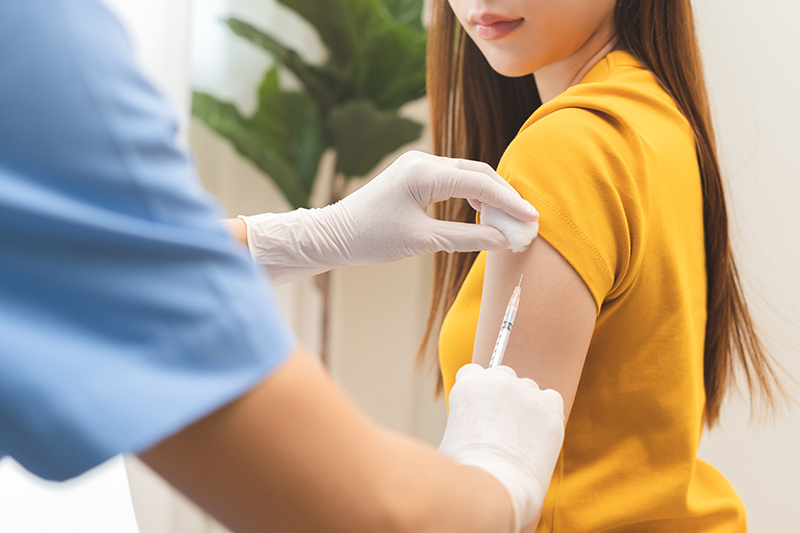
Misconceptions about the HPV vaccine can create unnecessary uncertainty, making it difficult for patients to seek out the support that they need. Fortunately, extensive medical research and global health data consistently show that HPV vaccination is a safe and effective way to reduce the risk of cervical cancer and other HPV-related conditions. By learning more about the reality behind common concerns, individuals can make more confident, well-informed decisions about their long-term health.
At SC Quek Gynaecology, personalised care and guidance is provided by Dr Quek Swee Chong. Dr Quek is a consultant obstetrician, gynaecologist and colposcopist with more than 20 years of experience and a specialised focus on cervical cancer prevention, detection and treatment. Care by Dr Quek is guided by current clinical evidence and centred on the patient, with a focus on clear communication, careful assessment and vaccination advice tailored to your individual health circumstances.
If you are considering HPV vaccination in Singapore, contact us today to arrange a consultation and discuss whether vaccination may be appropriate for you or your child.

Our Colposcopy Specialist,
Consultant Obstetrician, Gynaecologist and Colposcopist
MBBS (Dublin), MRCOG (UK), FAMS (Singapore)
With vast expertise in obstetrics and gynaecology, Dr Quek specialises in colposcopy, a critical procedure for the early detection of cervical cancer and its precursors. His experience encompasses diagnosing and treating cervical dysplasia and cancer, utilising advanced techniques to ensure comprehensive patient care. Over the years, he has contributed significantly to the field through clinical practice and patient education, focusing on preventive measures such as HPV vaccination and regular screenings to reduce cervical cancer incidence.