
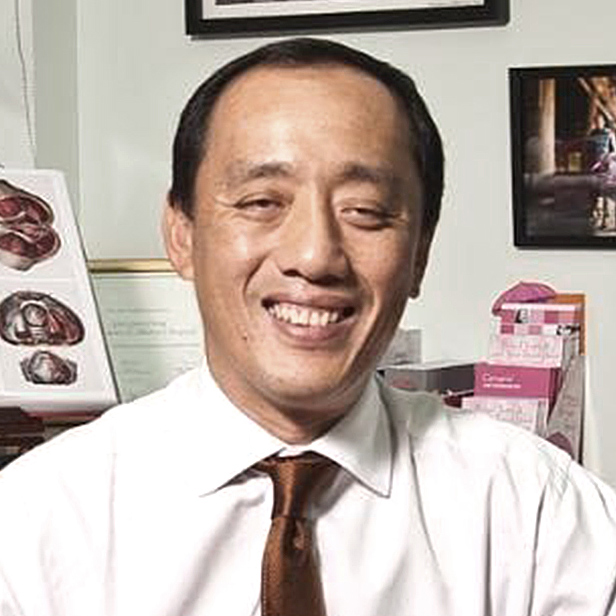
Dr Quek Swee Chong Consultant Obstetrician, Gynaecologist and Colposcopist MBBS (Dublin), MRCOG (UK), FAMS (Singapore)
Human papillomavirus (HPV) is a common virus that spreads through close genital-to-genital or skin-to-genital contact. Most people will be exposed to HPV at some point in their lives, often without realising it, as the infection may not cause noticeable symptoms.
While many HPV infections clear on their own, certain high-risk strains can persist in the body and lead to the development of cancer over time. The HPV vaccine helps protect against the types of HPV most commonly linked to these cancers.
Understanding which cancers the HPV vaccine helps prevent can help individuals make informed decisions about vaccination and long-term health protection.
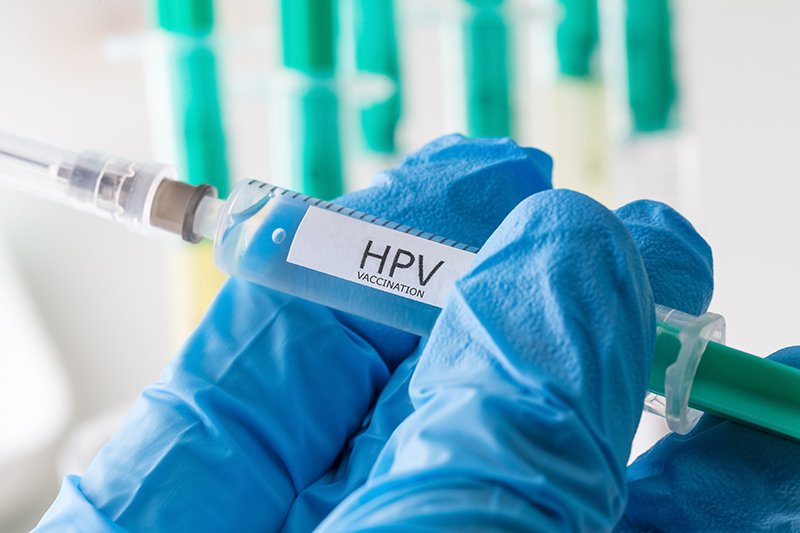
The HPV vaccine helps the body build immunity against specific types of human papillomavirus that are known to cause cancer and other HPV-related diseases. It works by exposing the immune system to virus-like particles that resemble HPV, without containing any live virus.
These particles cannot cause infection, but they stimulate the immune system to produce a strong protective response. This allows the body to recognise future cases of HPV more quickly and prevent the virus from establishing an infection.
It is important to note that the HPV vaccine is preventative, not a form of treatment. It does not clear an existing infection or treat conditions such as genital warts, precancerous changes or cancer. For this reason, vaccination is most effective when given early, ideally before any HPV exposure occurs.
In Singapore, two vaccines are commonly used to protect against HPV-related cancers. Each offers strong protection and differs in the number of HPV types they target.
This vaccine protects against HPV types 16 and 18, which are responsible for the majority of cervical cancer cases worldwide. Cervarix focuses specifically on cancer prevention, but does not protect against genital warts.
Gardasil 9 offers broader protection by covering nine HPV types, including strains linked to cervical cancer as well as those that cause genital warts. Due to this wider coverage, it is commonly recommended for both women and men.
HPV can trigger abnormal cellular changes in affected areas of the body. When these areas are persistently infected by high-risk HPV types, they may develop into cancer cells over time.
The HPV vaccine protects against the strains most commonly linked to these cancers, including:
Cervical cancer is the most well-established HPV-related cancer. High-risk HPV types, particularly types 16 and 18, are responsible for the majority of cases worldwide. Vaccination protects against these strains and significantly reduces the risk of cervical cancer when given before exposure to the virus, supporting long-term cervical cancer prevention.
Most cases of anal cancer are associated with persistent infection from high-risk HPV types. The disease can affect both men and women, and early stages may not cause noticeable symptoms. HPV vaccination lowers the risk of infection and supports long-term cancer prevention.
HPV can also cause cancers of the vulva and vagina. Although less common than cervical cancer, these cancers are often linked to the same high-risk HPV types. Infection with high-risk strains may lead to precancerous changes in the vulvar tissue or vaginal lining before cancer develops.
HPV contributes to a number of penile cancer cases, particularly those involving high-risk strains such as HPV 16. The infection can lead to cellular abnormalities in penile tissue that may progress to cancer.
HPV can infect the throat, including the base of the tongue and tonsils. HPV-related oropharyngeal cancers have increased globally, particularly among men. As oral HPV infection may not cause symptoms, vaccination provides preventive protection against these cancers.
Beyond cancer, HPV infection can also lead to precancerous lesions in the cervix, anus and genital region that may require medical treatment. Certain vaccines, such as Gardasil 9, also protect against HPV types responsible for genital warts.
While HPV vaccination provides protection against the most common high-risk HPV types linked to cancer, it does not cover every HPV strain. This means vaccination reduces risk but does not completely eliminate the possibility of HPV infection or HPV-related cancers.
The vaccine is also most effective when given before exposure to the virus. Individuals who have already been exposed to certain HPV types may still benefit from vaccination, but it will not treat existing infections or HPV-related disease.
Due to these limitations, routine screening remains important. Cervical cancer screening methods such as Pap smears and HPV testing continue to play a key role in detecting early cellular changes, even in individuals who have been vaccinated.
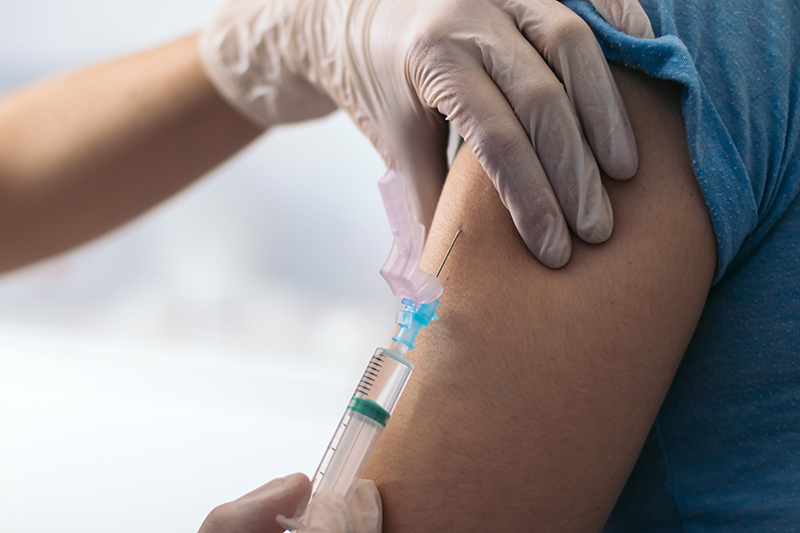
HPV vaccination plays an important role in reducing the risk of several cancers linked to high-risk HPV infections. By targeting the strains most commonly associated with cervical, anal and certain head and neck cancers, the vaccine helps lower the likelihood of infection that may lead to long-term complications. Understanding the benefits and limitations of HPV vaccination allows individuals to take informed steps towards protecting their health.
At SC Quek Gynaecology, HPV vaccination, cervical cancer screening and follow-up care are provided by Dr Quek Swee Chong, a consultant obstetrician, gynaecologist and colposcopist with a clinical focus on cervical cancer management. Dr Quek conducts treatment in accordance with current cervical cancer screening guidelines in Singapore, ensuring that early detection and timely action remain a priority.
If you are considering HPV vaccination, contact us today and book an appointment with our gynaecologist to understand the best timing and the most suitable vaccine for your needs.

Our Colposcopy Specialist,
Consultant Obstetrician, Gynaecologist and Colposcopist
MBBS (Dublin), MRCOG (UK), FAMS (Singapore)
With vast expertise in obstetrics and gynaecology, Dr Quek specialises in colposcopy, a critical procedure for the early detection of cervical cancer and its precursors. His experience encompasses diagnosing and treating cervical dysplasia and cancer, utilising advanced techniques to ensure comprehensive patient care. Over the years, he has contributed significantly to the field through clinical practice and patient education, focusing on preventive measures such as HPV vaccination and regular screenings to reduce cervical cancer incidence.