

Dr Quek Swee Chong Consultant Obstetrician, Gynaecologist and Colposcopist MBBS (Dublin), MRCOG (UK), FAMS (Singapore)
Being told that your colposcopy results are abnormal can understandably leave you anxious about what has been found, and what it means for your health. However, an abnormal finding does not necessarily mean a serious condition. In many cases, it simply means that your gynaecologist has identified an area that needs to be looked at more closely before they can determine what, if anything, needs to be done next.
Understanding the possible outcomes and the next steps can help reduce uncertainty while you wait for your results or discuss them with your gynaecologist. This article explains why colposcopy results may be abnormal, the different findings your doctor may identify and what typically happens after an abnormal result has been found.
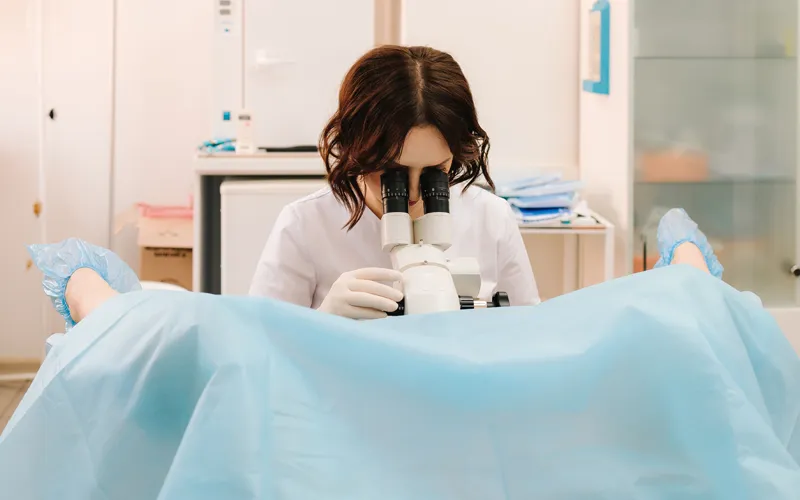
A colposcopy is a detailed cervical screening method using a specialised microscope called a colposcope. During the examination, special solutions are applied to the cervix to make areas of abnormal tissue easier to identify through the colposcope.
An area may be considered abnormal if the tissue reacts differently to these solutions or has visual features that differ from the surrounding healthy tissue. For example, your gynaecologist may identify areas that change colour when a testing solution is applied, unusual patterns of blood vessels, changes to the surface of the cervix or areas that do not take up iodine as expected. These features can indicate that the underlying cervical cells require closer assessment, although their appearance alone does not necessarily determine what is causing the change.
If an area appears abnormal, your gynaecologist may also take a small tissue sample known as a biopsy. This is an important part of assessing certain colposcopy findings because the tissue can be examined in a laboratory to determine whether abnormal cervical cells are present.
Depending on what is observed during the colposcopy or biopsy, findings may be associated with:
The significance of these findings can vary considerably, and an abnormal result does not necessarily indicate a serious condition. A biopsy, when required, can help distinguish between different types of cervical changes and provide more information about their severity.
Human papillomavirus (HPV), particularly persistent infection with certain high-risk types, can cause changes to cervical cells. These changes may be detected during cervical screening and can also produce areas that appear abnormal during a colposcopy.
HPV infection does not mean that cervical cancer is present. Many infections clear naturally, while persistent high-risk HPV infection can increase the likelihood of cervical cell changes developing over time.
A biopsy may identify abnormal changes in the cells of the cervix, known as cervical intraepithelial neoplasia (CIN). CIN is graded according to the extent of the abnormal cell changes identified in the tissue.
CIN1 represents low-grade changes, while CIN2 and CIN3 represent high-grade changes. These are precancerous changes rather than cervical cancer, and their grade helps your gynaecologist determine the level of follow-up or treatment that may be appropriate.
Inflammation or irritation can alter the appearance of cervical tissue and may sometimes produce findings that require closer assessment during a colposcopy. These changes are not necessarily precancerous, but your gynaecologist may need to consider them alongside your screening results and other findings.
Some abnormalities may be related to non-cancerous changes or growths affecting the cervix, such as cervical polyps. Although these findings may alter the appearance of the cervix, they are distinct from precancerous cervical cell changes.
Less commonly, a colposcopy or biopsy may identify changes that raise concern for a more significant cervical abnormality. Further assessment may then be required to determine whether cervical cancer is present.
Being advised to undergo further testing does not itself mean that cancer has been diagnosed. Additional assessment is used to clarify the nature and extent of the abnormality before a diagnosis and appropriate management plan can be established.
Once your biopsy or examination findings are available, your gynaecologist will recommend an appropriate management plan based on the type and severity of the abnormality. Your treatment recommendations will depend on factors such as your age, future pregnancy plans, HPV status and biopsy results.
Possible next steps include:
If only minor abnormalities are identified, regular follow-up with repeat Pap smears, HPV testing or another colposcopy may be recommended. Monitoring allows your doctor to confirm that the abnormal cells resolve naturally or remain stable without unnecessary treatment.
High-grade precancerous changes are often treated to prevent progression to cervical cancer. Common treatment options include procedures that remove or destroy the affected area while preserving as much healthy cervical tissue as possible.
Your gynaecologist will explain the benefits, potential risks and expected recovery associated with the recommended procedure.
If the biopsy results do not provide a complete answer or abnormalities extend beyond the area that can be fully assessed during colposcopy, further investigations may be necessary. These may include additional biopsies, a cervical excision procedure or referral to a gynaecological oncology specialist for further assessment, depending on your individual circumstances.
Even after successful treatment, follow-up appointments remain an important part of long-term care. Repeat cervical screening and HPV testing help confirm that abnormal cells have not returned and that your cervix remains healthy.
Most people recover well after a colposcopy, with only mild spotting or light cramping for a few days. However, certain symptoms should prompt medical review, particularly if a biopsy was performed.
Contact your gynaecologist if you experience:
You should also contact your doctor if you have questions about your results, are unsure about your recommended follow-up plan or develop new symptoms before your next appointment. Attending all scheduled follow-up visits is important, even if you feel well, as cervical cell changes often do not cause noticeable symptoms.

Although abnormal colposcopy results can be concerning, many represent early cervical cell changes that can be monitored or treated effectively before they become more serious. Understanding your diagnosis and recommended next steps can help you make informed decisions about your care and attend the appropriate follow-up.
At SC Quek Gynaecology, we provide comprehensive assessment, investigation and personalised management for women with abnormal colposcopy results and cervical cell changes. From reviewing your findings and explaining biopsy results to recommending appropriate follow-up or treatment, Consultant Obstetrician, Gynaecologist and Colposcopist Dr Quek Swee Chong is committed to helping women understand their diagnosis, navigate the next steps with confidence and receive appropriate treatment when required.
If you have received abnormal colposcopy results or have been advised to undergo further assessment, book an appointment today and discuss your personalised care plan with our team.
If no biopsy is taken, your gynaecologist may discuss the findings immediately after the examination. If a biopsy is performed, the tissue sample is sent to a laboratory for analysis, which may take several days to a few weeks depending on the healthcare facility. Your doctor will let you know when to expect your results and whether a follow-up appointment is needed.
An abnormal colposcopy result itself does not usually affect fertility. If treatment is required, most women are still able to conceive and have healthy pregnancies. Certain cervical procedures may slightly increase the risk of pregnancy-related complications, so your doctor will consider your future family plans when recommending treatment.
The recommended follow-up schedule varies depending on your biopsy results, HPV status and medical history. Some people may only need repeat cervical screening after a year, while others require closer monitoring. Your gynaecologist will develop a surveillance plan that reflects your individual level of risk.
Yes. Cervical cell changes can persist or recur, particularly when a high-risk HPV infection remains present. This is one reason follow-up cervical screening, HPV testing or colposcopy may be recommended even after previous abnormalities have resolved or been treated. Having another abnormal result does not necessarily mean that the changes have become more severe. Your gynaecologist will compare your current findings with your previous results to determine whether further monitoring, assessment or treatment is required.

Our Colposcopy Specialist,
Consultant Obstetrician, Gynaecologist and Colposcopist
MBBS (Dublin), MRCOG (UK), FAMS (Singapore)
With vast expertise in obstetrics and gynaecology, Dr Quek specialises in colposcopy, a critical procedure for the early detection of cervical cancer and its precursors. His experience encompasses diagnosing and treating cervical dysplasia and cancer, utilising advanced techniques to ensure comprehensive patient care. Over the years, he has contributed significantly to the field through clinical practice and patient education, focusing on preventive measures such as HPV vaccination and regular screenings to reduce cervical cancer incidence.